
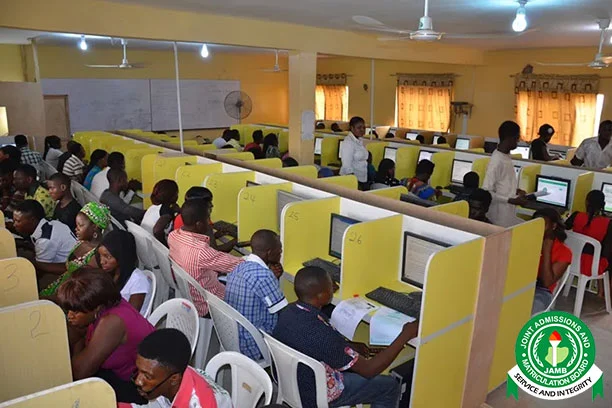
The JAMB Recommended Textbooks for Agricultural Science are some of the best books you can use to prepare for the UTME.
These books explain important Agricultural Science topics in simple ways. They also cover many of the areas listed in the JAMB syllabus, making it easier for you to study with confidence.
Many candidates ask, “Which Agricultural Science textbook should I read for JAMB?”
The answer is simple. Start with the books recommended by JAMB. These books are written by experienced authors and publishers who understand the secondary school curriculum.
In this guide, I will show you the complete list of JAMB Recommended Textbooks for Agricultural Science (2027/2028). I will also explain why these books are useful and how you can use them to prepare better for your examination.
If you are searching for the JAMB Recommended Textbooks for Agricultural Science, you are in the right place.
Complete List of JAMB Recommended Textbooks for Agricultural Science (2027/2028)
Official Recommended Textbooks for Agricultural Science
The table below contains the Recommended Textbooks for Agricultural Science for candidates preparing for the 2027/2028 JAMB examination.
| S/N | Author | Title |
|---|---|---|
| 1 | Adeniyi, M. O. et al. (1999) | Countdown to Senior Secondary Certificate Examination Agricultural Science. Ibadan: Evans. |
| 2 | Akinsanmi, O. (2000) | Junior Secondary Agricultural Science. UK: Longman. |
| 3 | Akinsanmi, O. (2000) | Senior Secondary Agricultural Science. UK: Longman. |
| 4 | Anthonio, Q. B. O. (1999) | General Agriculture for West Africa. London: George Allen. |
| 5 | Are, L. A. et al. (2010) | Comprehensive Certificate Agricultural Science for Senior Secondary Schools. University Press Plc. |
| 6 | Egbuna, C. K. et al. (2014) | Extension Modern Agricultural Science for Senior Secondary Schools. Extension Publication. |
| 7 | Emmanuel, C. A. (2003) | A Dictionary of Agriculture. Benue: Agitab Publisher, Makurdi. |
| 8 | Falusi, A. O. & Adeleye, I. O. A. (2000) | Agricultural Science for Junior Secondary Schools (Books 1–3). Ibadan: Onibonoje. |
| 9 | Komolafe, M. F., Adegbola, A. A., Are, L. A. & Ashaye, T. I. (2004) | Agricultural Science for Senior Secondary Schools (Books 1, 2 and 3). Ibadan: University Press Ltd. |
| 10 | Philips, T. A. (1986) | Agricultural Notebook. Lagos: Longman. |
| 11 | STAN (1999) | Agricultural Science for Senior Secondary Schools. Lagos: Longman. |
Why You Should Read the Recommended Textbooks
Reading the JAMB Recommended Textbooks for Agricultural Science gives you a better understanding of the topics you will meet in the examination.
These books explain Agricultural Science in a simple and organized way.
The thing is, not every textbook covers the topics that JAMB expects you to know. That is why it is a good idea to start with the recommended books.
Let me tell you a simple example.
Imagine two students preparing for the same examination.
The first student studies with books that are recommended by JAMB. The topics follow the syllabus, and the explanations are easy to understand.
The second student reads random books that leave out important topics.
Who do you think will feel more confident on examination day?
Using the recommended textbooks helps you focus on the right topics and avoid wasting time on unnecessary materials.
These books also explain farming practices, crop production, animal production, agricultural economics, soil science, and many other topics that appear in the UTME.
How to Use the JAMB Recommended Textbooks Effectively
Having the JAMB Recommended Textbooks for Agricultural Science is a good start, but the way you use them is what makes the difference.
Reading the right way can help you understand more topics and remember them during the examination.
The thing is, some students try to finish an entire textbook in a few days. They rush through the pages and forget most of what they read.
A better approach is to study a little every day and revise often.
I will show you some simple ways to get the best from these books.
Study Together with the JAMB Syllabus
The JAMB syllabus should be your study guide.
The syllabus tells you the topics you are expected to study for the examination. As you read each textbook, compare it with the syllabus and make sure you cover every topic.
Studying with the syllabus helps you stay focused on what is important.
Instead of jumping from one topic to another, complete one topic before moving to the next.
For example, if you are reading about soil science, finish the topic first before starting crop production. This makes learning easier.
Make Simple Notes While Reading
Do not read without writing.
Keep a notebook where you can write short notes after each topic.
Your notes do not have to be long. Write only the main points in simple words that you can understand later.
For example, after reading about farm tools, you can write:
- Meaning of farm tools.
- Types of farm tools.
- Uses of each tool.
- Care and maintenance.
Simple notes make revision faster when your examination is close.
Practice Past Questions
Reading alone is not enough.
After studying a topic, answer past JAMB questions to see how well you understand it.
This will help you know the areas where you need more practice.
Test Yourself Every Week
Choose one day every week to answer questions from different Agricultural Science topics.
Do not worry if you make mistakes.
Mistakes help you discover the topics that need more attention.
The more questions you practise, the more confident you become.
Read More Than One Textbook
Every author explains topics differently.
If one textbook is difficult to understand, check another book from the recommended list.
For example, one author may explain animal nutrition with simple examples, while another may explain the same topic in greater detail.
You can also use Emmanuel C. A.’s A Dictionary of Agriculture whenever you find agricultural terms that you do not understand.
Reading more than one recommended textbook helps you see topics from different angles and improves your understanding.
Frequently Asked Questions (FAQs)
Which is the best JAMB recommended textbook for Agricultural Science?
There is no single best textbook. JAMB recommends several books because each one explains Agricultural Science in its own way. Many candidates combine two or three of the recommended textbooks while studying.
Can I pass JAMB Agricultural Science by reading only one textbook?
Yes, you can, but reading more than one recommended textbook gives you a better understanding of difficult topics. It also allows you to compare different explanations and examples.
Are these the official JAMB recommended textbooks for Agricultural Science?
Yes. These are the recommended textbooks listed for candidates preparing for the 2027/2028 JAMB Agricultural Science examination.
Should I use the JAMB syllabus together with these textbooks?
Yes. The JAMB syllabus and the recommended textbooks work best when you use them together. The syllabus shows you what to study, while the textbooks explain each topic in detail.
Conclusion
I hope this guide has helped you find the complete list of JAMB Recommended Textbooks for Agricultural Science (2027/2028).
Using the right textbooks can make your preparation easier and improve your understanding of Agricultural Science. Study regularly, follow the JAMB syllabus, write simple notes, and practise past questions after each topic.
Remember, success in JAMB does not come from reading many books without a plan. It comes from understanding the right topics and revising them consistently.
If this article has helped you, please share it with your friends and classmates who are preparing for the 2027/2028 JAMB examination.
Do you have any questions about the JAMB Recommended Textbooks for Agricultural Science? Leave a comment below, and I’ll be happy to help you.