
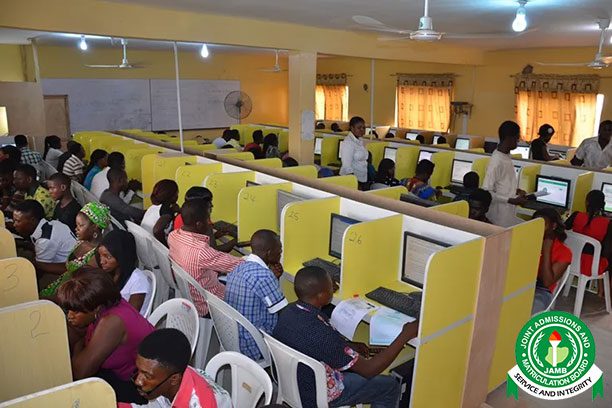
The Use of English is one of the subjects you must pass in UTME. Even if your main course is science or arts, your score in English can make or break your admission.
Have you ever thought about why English is such a big deal? Well, the thing is, it’s not just about reading or writing; it shows how well you understand instructions, communicate, and solve problems in the exam.
Why the Use of English is Important
The Use of English section is like the key that opens the door to your course choice. Here’s why:
- Most courses need you to understand instructions and textbooks written in English.
- Good English skills help you get higher marks in other subjects too.
- Universities often reject candidates who fail the Use of English, even if they are strong in other subjects.
So, if you want to succeed in UTME, you can’t ignore this subject.
Quick Tip:
When preparing for Use of English, don’t just memorize rules. Try to practice reading, writing, and understanding English every day. Even 20 minutes daily can make a huge difference.
Overview of JAMB Use of English Syllabus 2026
Main Areas Covered
The Use of English syllabus is divided into several main areas. Knowing these will help you focus on what really matters. Here’s what you will see in the 2026 syllabus:
- Comprehension: Understanding passages and answering questions about them.
- Grammar: Tenses, prepositions, articles, sentence structure, and more.
- Vocabulary: Synonyms, antonyms, and word meanings in context.
- Oral English and Usage: Sentence correction, idioms, and phrases.
- Literature: Authors, texts, and simple analysis.
- Punctuation and Spelling: Correct use of commas, full stops, and avoiding common spelling mistakes.
Bold tip: These six areas make up almost all of the Use of English questions in JAMB UTME. Focusing on them will give you a better chance to score high.
Changes from Previous Years
If you’ve prepared for UTME before, you might notice some changes in 2026. Here’s a quick table showing updates compared to 2025:
| Section | 2025 Focus | 2026 Focus | Notes |
| Comprehension | Longer passages | Shorter, multiple small passages | Easier to read but more inference questions |
| Grammar | Mostly tenses | Tenses + sentence transformation | Slightly higher weight on sentence correction |
| Vocabulary | Synonyms/Antonyms | Synonyms/Antonyms + contextual words | More real-life vocabulary in context |
| Literature | Few authors | Slightly more texts and poems | Focus on comprehension, not memorization |
| Punctuation | Commas & Full stops | Includes semi-colons & colons | Minor change, but some new questions appear |
Notice: The main areas are mostly the same, but how questions are asked has changed. You should focus on understanding, not just memorizing.
Quick Tip:
Always check the official syllabus from JAMB before starting your preparation. The 2026 syllabus is your roadmap; if you follow it strictly, you won’t waste time studying topics that don’t appear in the exam.
How to Read the JAMB Syllabus
Breaking Down Each Section
Looking at the syllabus can feel confusing at first. But here’s the thing: you don’t have to read it like a book; read it like a map. Each section tells you what you need to study and what type of questions to expect.
Here’s a simple way to break it down:
- Comprehension: Look for the types of passages and the questions asked.
- Grammar: Note the tenses, prepositions, articles, and sentence structures.
- Vocabulary: Pay attention to synonyms, antonyms, and context words.
- Literature: Identify which authors and texts are mentioned.
- Punctuation & Spelling: List the punctuation marks and common spelling mistakes.
Think of it like a shopping list. You don’t buy everything in the store, only what’s on your list.
Spotting What’s Important
Not all topics in the syllabus carry the same weight. Some questions appear more often, and some are tricky traps. Here’s how to spot the important ones:
- Check past questions: Topics that appear every year are high priority.
- Look at marks distribution: Some sections have more questions; focus on them first.
- Highlight recurring themes: If “tenses” or “comprehension passages” show up repeatedly, make them your priority.
Pro tip: Make a small table from the syllabus for yourself, like this:
| Section | Weight/Importance | Notes |
| Comprehension | High | Focus on main idea & inference |
| Grammar | Medium | Tenses & sentence correction |
| Vocabulary | Medium | Contextual words & synonyms |
| Literature | Low | Read summaries and poems |
| Punctuation | Low | Commas, full stops, colons |
Quick Tip:
When reading the syllabus, don’t try to memorize everything. Your goal is to understand the topics and know where to practice. Think of it like a map guiding you to the treasure; the treasure is high marks in your Use of English exam.
Reading Comprehension
Types of Passages
In JAMB Use of English, comprehension passages come in different forms. Knowing the type of passage helps you read faster and answer correctly. Here are the main types:
- Narrative Passages: These tell a story. They usually have characters, events, and a sequence of actions.
- Argumentative Passages: These discuss an opinion or idea. You’ll need to identify the author’s point of view.
- Descriptive Passages: These describe a place, object, or person. Focus on details and descriptions.
- Expository Passages: These explain a fact or information. Pay attention to definitions and examples.
Tip: Skim the passage first to get the main idea before reading the questions.
How Questions Are Asked
JAMB comprehension questions are mostly multiple-choice. Here’s what to expect:
- Main idea questions: “What is the passage mostly about?”
- Inference questions: “What can you understand from the passage even if it’s not directly stated?”
- Vocabulary in context: “What does this word mean in the passage?”
- Detail questions: “What happened in paragraph two?”
Pro tip: If you don’t know an answer, eliminate the obviously wrong options first. This increases your chance of choosing correctly.
Tips for Practicing Comprehension
- Read every day: Newspapers, short stories, or online articles. Even 15–20 minutes daily helps.
- Summarize passages: After reading, try to tell someone what the passage was about in your own words.
- Practice past questions: JAMB often repeats question styles, not exact passages.
- Highlight keywords: Look for words like “however”, “because”, “therefore” that show the main idea.
Quick Exercise: Try this small practice:
Passage: “John went to the market to buy tomatoes and onions. On his way back, he met his friend and they discussed the upcoming school exam.”
Question: What did John do at the market?
Answer: He bought tomatoes and onions.
See how simple it is when you focus on details?
Grammar Section
Common Grammar Topics
Grammar is a big part of JAMB Use of English. Most mistakes happen here, so it’s important to understand the basics. Here’s what you should focus on:
- Tenses: Past, present, and future.
- Example: I go to school (present), I went to school (past).
- Prepositions: Words like in, on, at, by.
- Example: She is in the house, He arrived at 8 pm.
- Articles: a, an, the.
- Example: I saw a dog, The dog was brown.
- Sentence Structure: Subject, verb, object.
- Example: She (subject) reads (verb) a book (object).
- Conjunctions: and, but, because.
- Example: I wanted to go, but it rained.
Bold tip: If you can master these five areas, you will answer most grammar questions correctly.
Grammar Mistakes to Avoid
Here are the common mistakes students make in JAMB:
- Using the wrong tense.
- Wrong: I will went to school.
- Correct: I will go to school.
- Confusing a and an.
- Wrong: I saw an cat.
- Correct: I saw a cat.
- Mixing up prepositions.
- Wrong: He is on the room.
- Correct: He is in the room.
- Run-on sentences.
- Wrong: I went to the market I bought tomatoes.
- Correct: I went to the market, and I bought tomatoes.
Quick Tips to Practice Grammar
- Do exercises every day: Short quizzes on tenses, prepositions, and articles.
- Read English texts: Newspapers or books help you see grammar in real use.
- Write sentences: Try making 3–5 sentences daily using new grammar rules.
Vocabulary Building
Types of Vocabulary Questions
In JAMB Use of English, vocabulary questions usually ask about:
- Synonyms: Words with the same meaning.
- Example: Happy → Joyful
- Antonyms: Words with opposite meanings.
- Example: Hot → Cold
- Word Meaning in Context: The meaning of a word as used in a passage.
- Example: “She was elated after the result.”
- Elated here means very happy.
- Example: “She was elated after the result.”
- Idioms and Phrases: Common expressions.
- Example: Break the ice → start a conversation
Bold tip: Knowing synonyms, antonyms, and words in context can help you score quickly, especially in multiple-choice questions.
How to Improve Your Vocabulary
Here are easy ways to grow your word knowledge:
- Read every day: Newspapers, short stories, and online articles.
- Keep a small notebook: Write down new words and their meanings.
- Use flashcards: One side has the word, the other has the meaning.
- Play word games: Crosswords or online apps make learning fun.
- Practice past questions: JAMB often repeats similar words over the years.
Quick Exercise:
Try replacing the underlined word with a synonym:
“She was angry when she missed the bus.”
Possible answer: furious
Quick Tip:
Don’t just memorize lists of words; focus on understanding the meaning and how words are used in sentences. This helps you answer comprehension and vocabulary questions at the same time.
Oral English and Usage
Sentence Correction
Sentence correction is one of the most common question types in JAMB Use of English. You’ll see a sentence, and you must pick the correct way to write it.
Examples of mistakes and corrections:
- Wrong: He don’t like mangoes.
- Correct: He doesn’t like mangoes.
- Wrong: She go to school every day.
- Correct: She goes to school every day.
Tip: Always check the subject-verb agreement. If the subject is singular, the verb must match. If it’s plural, the verb changes too.
Idioms and Phrases
JAMB often tests idioms and phrases. These are expressions that don’t mean exactly what the words say.
Common examples:
| Idiom | Meaning |
| Break the ice | Start a conversation |
| Hit the nail on the head | Say something exactly right |
| A blessing in disguise | Something good that seemed bad at first |
| Bite the bullet | Accept something difficult |
Tip: Learn 2–3 idioms every day. Using them in practice sentences will make them easier to remember.
Quick Tip for Usage
When answering oral English questions:
- Read all options carefully: Sometimes one small word makes the difference.
- Check grammar first: A grammatically wrong option is never correct.
- Think about meaning: The option that makes sense in context is usually correct.
Literature in Use of English
Authors and Texts
JAMB doesn’t expect you to memorize long novels, but you should know key authors and their works. Focus on:
- Poetry: Understand the main idea, theme, and message.
- Short stories: Know characters, plot, and lesson.
- Drama/Play excerpts: Follow the situation and dialogue.
Common authors in JAMB past questions:
- Chinua Achebe
- Wole Soyinka
- Ngugi wa Thiong’o
Tip: You don’t have to read full books; summaries, analyses, and past questions are enough to answer literature questions.
How Literature Questions Are Framed
JAMB literature questions are usually straightforward. They ask about:
- Main idea or theme: “What is the story mainly about?”
- Character action or motivation: “Why did the character do this?”
- Message or lesson: “What is the moral of the story?”
Example:
Passage: “Okonkwo worked hard to provide for his family but feared being seen as weak.”
Question: What can you say about Okonkwo’s character?
Answer: He is hardworking but proud and afraid of appearing weak.
Bold tip: Focus on understanding, not memorizing words. The questions test comprehension and insight, not memory.
Quick Tip:
- Skim through summaries of commonly listed books and poems.
- Take notes on main ideas, characters, and lessons.
- Practice answering questions like the ones above.
Punctuation and Spelling
Common Punctuation Rules
JAMB often tests basic punctuation. Using the wrong mark can change the meaning of a sentence. Here’s what to focus on:
- Commas (,): Separate ideas in a sentence.
- Example: I bought apples, oranges, and bananas.
- Full stops (.): End a sentence.
- Example: She went to the market.
- Question marks (?): End a question.
- Example: Where are you going?
- Exclamation marks (!): Show strong emotion.
- Example: What a beautiful day!
- Colons (:) and Semi-colons (;): Often used in lists or to join related sentences.
- Example: I need three things: sugar, salt, and oil.
- Example: I like tea; she prefers coffee.
Bold tip: Incorrect punctuation is one of the easiest mistakes to lose marks on. Practice simple rules every day.
Spelling Mistakes to Watch Out For
Spelling is another common trap. JAMB sometimes tests words that sound similar but are spelled differently.
Commonly misspelled words:
| Wrong | Correct |
| recieve | receive |
| accomodate | accommodate |
| definately | definitely |
| seperate | separate |
| enviroment | environment |
Quick Tip: Use flashcards or a small notebook to practice these words daily.
Quick Tip for Punctuation and Spelling
- Read your sentences aloud: This helps spot mistakes.
- Practice past questions: Many punctuation questions repeat patterns.
- Slow down during exams: Don’t rush; punctuation and spelling mistakes happen when you hurry.
Punctuation and Spelling
Common Punctuation Rules
JAMB often tests basic punctuation. Using the wrong mark can change the meaning of a sentence. Here’s what to focus on:
- Commas (,): Separate ideas in a sentence.
- Example: I bought apples, oranges, and bananas.
- Full stops (.): End a sentence.
- Example: She went to the market.
- Question marks (?): End a question.
- Example: Where are you going?
- Exclamation marks (!): Show strong emotion.
- Example: What a beautiful day!
- Colons (:) and Semi-colons (;): Often used in lists or to join related sentences.
- Example: I need three things: sugar, salt, and oil.
- Example: I like tea; she prefers coffee.
Bold tip: Incorrect punctuation is one of the easiest mistakes to lose marks on. Practice simple rules every day.
Spelling Mistakes to Watch Out For
Spelling is another common trap. JAMB sometimes tests words that sound similar but are spelled differently.
Commonly misspelled words:
| Wrong | Correct |
| recieve | receive |
| accomodate | accommodate |
| definately | definitely |
| seperate | separate |
| enviroment | environment |
Quick Tip: Use flashcards or a small notebook to practice these words daily.
Quick Tip for Punctuation and Spelling
- Read your sentences aloud: This helps spot mistakes.
- Practice past questions: Many punctuation questions repeat patterns.
- Slow down during exams: Don’t rush; punctuation and spelling mistakes happen when you hurry.
Practical Strategies for JAMB Use of English
Time Management During Exam
Time is tight in JAMB, so knowing how to manage it can save you marks. Here’s a simple plan:
- Spend more time on comprehension: It usually has the most questions.
- Don’t get stuck on one question: If unsure, move on and come back later.
- Allocate time roughly like this:
- Comprehension: 15–20 minutes
- Grammar & Vocabulary: 10–15 minutes
- Literature: 5–10 minutes
- Punctuation & Spelling: 5 minutes
Tip: Practice with a timer before the exam. It trains your brain to work under pressure.
How to Guess Smartly
Sometimes, you’ll meet questions you don’t know. Here’s how to guess wisely:
- Eliminate obvious wrong options: Even if you’re unsure, removing 1–2 wrong answers improves your chances.
- Look for grammar clues: Some options are grammatically incorrect. Ignore them.
- Think about meaning: The sentence or passage usually guides you to the correct choice.
Bold tip: Smart guessing is better than random guessing. You can gain marks without losing time.
Quick Study Habits
- Daily short practice: 20–30 minutes every day is better than cramming.
- Use past questions: They show the patterns and repeated question types.
- Mix topics: Practice grammar, vocabulary, and comprehension in one session to improve thinking speed.
- Stay consistent: Even small, daily efforts add up to big results.
Using Past Questions Effectively
How to Practice With Past Questions
Past questions are a goldmine for JAMB preparation. Here’s how to use them:
- Start after you’ve learned the basics: Don’t jump into past questions before studying the syllabus.
- Time yourself: Practice like the real exam, with a timer.
- Check your answers: Always review explanations, not just the correct option.
- Focus on repeated topics: Certain questions show up every year.
Bold tip: Past questions help you understand the question style and improve speed, not just memorization.
Identifying Repeated Patterns
Some topics appear more often than others. Here’s a small table showing common repeated topics in past Use of English exams:
| Year | Common Topic | Type of Question |
| 2023 | Tenses | Multiple choice |
| 2023 | Comprehension | Passage-based |
| 2022 | Synonyms & Antonyms | Multiple choice |
| 2022 | Sentence Correction | Multiple choice |
| 2021 | Idioms & Phrases | Contextual usage |
Tip: If a topic repeats over 3–4 years, make it your priority during revision.
Quick Tip:
- Don’t memorize answers word-for-word: JAMB changes passages but keeps question patterns.
- Practice different years: This helps you get used to varying styles and difficulty levels.
- Mark tricky questions: Revisit them later to improve your understanding.
Study Resources You Can Trust
Recommended Textbooks
Using the right books can make a big difference. Here are some widely trusted ones for JAMB Use of English:
- JAMB Use of English 2026 Syllabus Booklet: Official guide; always your first reference.
- Essential English for JAMB by John Dickson: Covers grammar, comprehension, and vocabulary.
- New General English for Senior Secondary Schools: Good for understanding tenses, sentence structure, and usage.
- Use of English Past Questions & Answers: Any recent edition with answers helps identify patterns.
Bold tip: Start with the official syllabus, then use textbooks and past questions to practice.
Online Resources and Apps
You can also learn from free and easy-to-use online tools:
- JAMB Portal (www.jamb.gov.ng): For official syllabus and updates.
- YouTube channels: Search for “JAMB Use of English 2026 lessons” for video explanations.
- Apps: Some mobile apps provide daily quizzes and past questions.
Tip: Pick one or two online resources and stick with them. Too many sources can confuse you.
Quick Tip:
- Always cross-check with the official syllabus before trusting any book or online resource.
- Combine reading, practice, and revision; this mix works better than reading only.
Mistakes to Avoid During Preparation
Common Student Mistakes
Many students fail to score well in JAMB Use of English not because they can’t learn, but because they make avoidable mistakes. Here are the most common ones:
- Procrastination: Waiting until the last minute to study.
- Ignoring certain topics: Some students skip grammar or literature because they think it’s “easy” or “boring.”
- Relying only on memorization: Trying to memorize answers instead of understanding questions.
- Skipping past questions: Ignoring them makes it harder to spot patterns.
- Studying without a plan: Random study leads to wasted time and poor results.
How to Correct Them
Here’s how to fix these mistakes and improve your preparation:
- Create a daily study schedule: Even 20–30 minutes per topic counts.
- Cover all topics: Don’t skip sections; focus on your weak areas too.
- Understand, don’t memorize: Make sure you know why an answer is correct.
- Use past questions: Identify repeated topics and practice them often.
- Track your progress: Mark areas you’ve improved and areas needing more work.
Bold tip: Avoiding these mistakes can improve your score more than cramming hard at the last minute.
Mock Exams and Self-Testing
Why Mock Exams Help
Mock exams are practice tests that simulate the real JAMB Use of English. They help you in many ways:
- Build exam confidence: You get used to the timing and pressure.
- Improve speed: You learn how to answer questions faster.
- Spot weak areas: Mock exams show which topics you need to revise more.
- Reduce exam stress: Familiarity with the format makes the real test less scary.
Bold tip: Taking regular mock exams is one of the fastest ways to improve your score.
How to Evaluate Yourself
After each mock exam, follow these steps:
- Check your answers: Compare with the correct solutions.
- Mark mistakes: Identify if they are due to careless errors or lack of understanding.
- Revise weak areas: Focus on topics where you lost marks.
- Time yourself again: Try to improve your speed with each mock.
- Keep a progress record: Write down scores to see improvement over time.
Tip: Don’t just take mocks; analyze them and learn from your mistakes.
Read also: JAMB Registration 2026: Dates, Requirements, How to Apply, and Full Guide
FAQs About JAMB Use of English 2026
1. How many questions are in Use of English for JAMB UTME?
There are usually 60 questions in the Use of English section. They cover comprehension, grammar, vocabulary, literature, and punctuation.
2. How long do I have to finish the Use of English section?
You get about 60 minutes for all 60 questions. That’s roughly 1 minute per question, so time management is very important.
3. Can I pass UTME if I fail Use of English?
No. Use of English is compulsory. Even if you do well in other subjects, failing English can prevent admission into your course.
4. Should I memorize answers from past questions?
No. JAMB changes passages and question wording every year. Focus on understanding question patterns instead of memorizing answers.
5. How can I improve my vocabulary quickly for JAMB?
Read newspapers and short stories daily.
Keep a notebook of new words and meanings.
Practice synonyms, antonyms, and word meanings in context.
6. Are literature questions difficult in Use of English?
Not really. JAMB usually asks simple questions about main ideas, characters, and lessons. You don’t need to memorize full books; focus on summaries and past questions.
Conclusion
Preparing for JAMB Use of English 2026 doesn’t have to be hard if you follow the syllabus properly. The key is to understand, practice, and stay consistent.
Here’s a quick recap:
- Follow the syllabus: Know what topics to focus on.
- Practice comprehension, grammar, and vocabulary: These make up most of the questions.
- Use past questions and mock exams: They help you get familiar with the exam style.
- Avoid common mistakes: Don’t procrastinate, skip topics, or memorize blindly.
- Use trusted resources: Official syllabus, recommended textbooks, and reliable online tools.
Remember, small daily efforts are better than last-minute cramming. Even 20–30 minutes of focused study every day can make a huge difference.
You can succeed if you stick to a plan and practice smartly. Don’t ignore English; it can open the door to your dream university.