
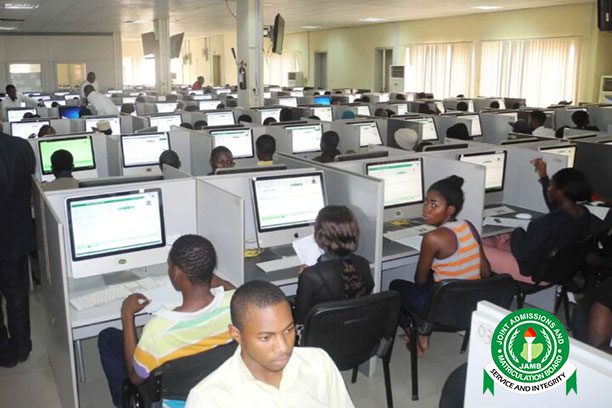
If you are preparing for JAMB, knowing the JAMB Geography Syllabus For JAMB 2026/2027 is very important. It guides you on exactly what topics to study and what the exam expects from you. By following the syllabus carefully, you will know what areas to focus on, like maps, human activities, physical landforms, and environmental issues in Nigeria and Africa.
Why should you care about Geography for JAMB?
- It helps you understand your environment. For example, knowing about rivers and soil can help farmers plan crops.
- It improves your map skills. You will learn how to read topographical maps, calculate distances, and interpret diagrams.
- It makes you exam-ready. The syllabus shows all the topics JAMB might ask, so you won’t waste time studying unnecessary details.
Now, let’s move to the first big topic in the syllabus: Practical Geography.
Read also:
- JAMB Syllabus 2026/2027 for All Subjects: What to Read Before the Exam
- JAMB Registration 2026/2027: Dates, Requirements, How to Apply, and Full Guide
- JAMB 2026/2027 registration requirements for foreign students
Practical Geography
This is one of the most important parts of the JAMB Geography Syllabus 2026/2027. The thing is; many students ignore it, but it usually carries a lot of marks.
Practical Geography is all about doing things, not just reading. You will learn how to read maps, measure distances, and understand data.
Let me ask you something:
Have you ever looked at a map and felt confused? This section will fix that.
Maps and Map Skills
Maps are drawings of places on paper. But they are not just drawings; they carry a lot of information.
Types and Uses of Maps
You will learn different types of maps like:
- Topographical maps
- Political maps
- Physical maps
Each one has its own use.
For example, a topographical map shows hills, rivers, and valleys. If you see many close contour lines, it means the land is steep.
So when JAMB gives you a map question, they are testing if you can understand what the map is saying without words.
Scale, Distance, and Direction
Scale helps you know the real distance on the ground.
Let me make it simple:
If a map says 1 cm = 1 km, it means small distance on paper equals big distance in real life.
You will also learn:
- How to measure distance
- How to calculate area
- How to find direction using bearings
- How to understand gradients
Example:
If you are trekking from your house to school and the map shows 5 cm, you should be able to calculate the real distance.
Map Reading and Interpretation
This is where many students struggle; but I will make it easy for you.
You will learn how to:
- Draw cross profiles
- Identify features like rivers, roads, and hills
- Understand intervisibility
Intervisibility simply means:
Can two places see each other?
Let’s say two people stand on two hills; if nothing blocks their view, they are intervisible.
You will also describe both:
- Physical features (like mountains, rivers)
- Human features (like roads, buildings)
Statistical Data and Diagrams
Geography is not just about land; it also uses numbers.
You will see:
- Tables
- Charts
- Graphs
- Diagrams
Your job is to understand them.
For example, if a graph shows rainfall, you should be able to say:
- Which month has the highest rain
- Which month is dry
- The pattern of rainfall
Simple question:
If rain is highest in July and lowest in January, what does that tell you about the climate?
This is how JAMB will test you.
Elementary Surveying and GIS
Now let’s talk about something more practical.
Surveying
Surveying means measuring land.
You will learn two main types:
- Chain survey
- Prismatic compass survey
Each one has:
- Procedures
- Advantages
- Disadvantages
For example, chain survey is simple but not always accurate on rough land.
Geographic Information System (GIS)
This may sound big, but it is simple.
GIS is a computer system used to collect and analyze location data.
Think about Google Maps; that is a type of GIS.
You will learn:
- Components of GIS
- Data sources like remote sensing and map scanning
- Uses in areas like agriculture, defense, and planning
In Nigeria, GIS is useful but has challenges like:
- Lack of proper data
- Poor funding
Let me be honest with you:
If you understand Practical Geography well, you already have a strong advantage in JAMB.
Physical Geography
This part of the JAMB Geography Syllabus area of concentration focuses on nature; the land, the air, the water, and everything around you.
Let me ask you:
Why is one place hot and another place cold?
Why do earthquakes happen?
Why do some areas have thick forests while others are dry?
All these questions are answered here.
The Earth and Its Crust
This is where everything starts.
The Earth in Space
The Earth is one of the planets in the solar system. It moves in two main ways:
- Rotation; the Earth spins on its axis
- Revolution; the Earth moves round the sun
Rotation causes day and night.
Revolution causes seasons.
You will also learn about:
- The shape of the Earth; it is not perfectly round
- Latitude and longitude
Latitude helps you measure distance from the Equator.
Longitude helps you calculate time.
Example:
If Nigeria is ahead of another country in longitude, it means Nigeria’s time will be ahead.
Structure of the Earth
The Earth has layers:
- Crust
- Mantle
- Core
The crust is where we live.
You will also study how these parts connect with:
- Atmosphere (air)
- Biosphere (living things)
Everything works together.
For example, rainfall (atmosphere) affects plants (biosphere).
Rocks, Landforms, and Earth Movements
Now let’s talk about the ground you walk on.
Types of Rocks
There are three main types:
- Igneous rocks
- Sedimentary rocks
- Metamorphic rocks
Each one forms in a different way.
Example:
Igneous rocks form from molten lava. That is why they are very hard.
You will also learn their uses; like building houses or roads.
Earth Movements and Landforms
The Earth is not still; it is always moving slowly.
There are forces like:
- Tensional forces
- Compressional forces
These forces create landforms like:
- Mountains
- Plateaux
- Plains
Think about it:
Mountains did not just appear; they were formed over many years.
Volcanism and Earthquakes
This part can sound scary, but it is important.
Volcanoes
A volcano happens when hot molten rock comes out of the Earth.
You will learn:
- Types of volcanoes
- How they form
- Landforms they create
Earthquakes
An earthquake is when the Earth shakes.
You will study:
- Causes
- Effects
- Examples around the world
Simple idea:
When pressure builds under the Earth and suddenly releases, the ground shakes.
You can download French Syllabus 2026/2027 PDF by clicking on the link below.
Water Bodies, Weather, and Climate
Now let’s talk about water and air.
Oceans, Rivers, and Lakes
You will study:
- Oceans and seas; their distribution and uses
- Ocean currents; how they move and affect climate
- Lakes and rivers
Example:
Rivers help in farming and transport.
You will also learn how rivers change shape from source to mouth.
Weather and Climate
Weather is the condition of the air at a short time.
Climate is the average weather over a long time.
You will study:
- Elements like temperature, rainfall, wind
- Factors like altitude and pressure
- Climate types using Koppen classification
You will also learn about:
- Weather instruments
- Climate change
Real-life example:
If your area is getting hotter every year, that is climate change.
Read also:
Vegetation and Soils
This is about plants and land.
Vegetation
Vegetation means plant life.
You will learn:
- Types of vegetation
- Where they are found
- How human activities affect them
Example:
Cutting down trees leads to deforestation.
Soils
Soil is what farmers use to grow crops.
You will study:
- Types of soil
- How soil forms
- Soil layers (profiles)
Think about this:
If soil is poor, crops will not grow well.
Environmental Resources and Hazards
Now let’s connect everything to human life.
Resources
Resources include:
- Land
- Water
- Minerals
- Vegetation
They can be:
- Renewable
- Non-renewable
Hazards and Conservation
Hazards are dangers.
They can be:
- Natural; like floods and earthquakes
- Man-made; like pollution and deforestation
You will also learn how to prevent them.
Example:
Planting trees can help stop soil erosion.
Let me tell you something important:
If you understand Physical Geography well, you will find many JAMB questions easy because they repeat often.
Human Geography
Human Geography focuses on people, where they live, how they move, and how they earn a living.
Let me ask you:
Why do many people live in Lagos but fewer people live in the desert?
Why do some areas have big cities while others remain villages?
This section answers those questions.
Population
Population means the number of people living in a place.
Population Distribution and Patterns
People are not spread evenly across the world.
Some areas have many people, like:
- Parts of India
- North-East USA
Some areas have few people, like:
- Deserts
- Thick forests
Why does this happen?
Because of things like:
- Climate
- Jobs
- Availability of water
Example:
People prefer to live where there is water and work. That is why cities grow fast.
Population Characteristics and Growth
You will study things like:
- Birth rate
- Death rate
- Age structure
These help us understand if a population is growing or not.
You will also learn about:
- Migration; movement of people
- Problems of population growth
Simple example:
If too many people live in one place, there may not be enough houses, jobs, or food.
But the thing is; population can also be a good thing.
More people can mean more workers and more ideas.
Settlement
Settlement means where people live.
Types and Patterns of Settlement
There are two main types:
- Rural settlement; villages
- Urban settlement; cities
Settlement patterns include:
- Dispersed
- Nucleated
- Linear
Example:
If houses are close together, that is nucleated settlement.
Functions and Problems of Settlements
Rural areas are mainly for:
- Farming
- Fishing
Urban areas are for:
- Business
- Industry
But cities also have problems like:
- Traffic
- Pollution
- Overcrowding
Think about your area:
Is it rural or urban? What problems do you see?
Economic Activities
This part is very important for exams.
Economic activities are what people do to earn money.
Types of Economic Activities
There are four types:
- Primary; farming, fishing
- Secondary; manufacturing
- Tertiary; services like banking and transport
- Quaternary; information and technology
Agriculture and Industry
You will study:
- Types of farming
- Problems farmers face
- Manufacturing industries
Example:
Farmers may face problems like poor soil or lack of machines.
Industries are located based on:
- Raw materials
- Transport
- Labour
Transport, Trade, and Tourism
Transport helps movement of goods and people.
You will learn about:
- Road, rail, air, and water transport
- Communication systems
Trade is buying and selling.
You will study:
- World trade patterns
- Major goods traded
Tourism is when people travel for fun.
Example:
Places with beautiful landscapes attract tourists.
Let me be honest with you:
Most questions in this section are simple if you understand real-life examples around you.
Regional Geography of Nigeria
This part of the JAMB Geography Syllabus 2026/2027 focuses on your country. The good thing is; you can relate to it easily because you live here.
Let me ask you:
Do you know why some parts of Nigeria grow cocoa while others grow millet?
Or why flooding happens more in some states?
This section will open your eyes to all that.
Location, Size, and Physical Setting
Nigeria is a country in West Africa.
Location and Political Division
You will learn about:
- Nigeria’s position on the map
- Its size
- The 36 states and FCT
You will also study the different ethnic groups and where they are found.
Example:
The Hausa are mainly in the North; the Yoruba in the South-West; the Igbo in the South-East.
Relief, Climate, and Drainage
Relief means the shape of the land.
Nigeria has:
- Highlands
- Plains
- Plateaux
You will also study:
- Climate; wet and dry seasons
- Vegetation zones
- Rivers like Niger and Benue
Think about this:
If your area has a lot of rainfall, farming will be easier.
Population and Natural Resources
Now let’s talk about people and what Nigeria has.
Population Distribution and Migration
Population is not equal everywhere.
Some states are crowded; others are not.
You will learn:
- Why people move (migration)
- Types of migration
- Problems and effects
Example:
People move to cities like Lagos for jobs.
Natural Resources and Their Uses
Nigeria is rich in resources like:
- Crude oil
- Coal
- Tin
- Fertile soil
You will study:
- Where these resources are found
- How they are used
- How to conserve them
Important question for you:
What happens if we waste our resources today?
Future generations will suffer.
Economic and Human Activities in Nigeria
This part connects directly to daily life.
Agriculture and Manufacturing
Nigeria produces crops like:
- Cocoa
- Groundnut
- Palm oil
You will also study:
- Farming systems
- Problems like poor funding and pests
Manufacturing industries depend on:
- Raw materials
- Power supply
- Transport
Transport, Trade, and Tourism
Transport includes:
- Roads
- Railways
- Air travel
- Water transport
Each one has advantages and disadvantages.
You will also learn about:
- Local and international trade
- Tourist centres in Nigeria
Example:
Places like Obudu Ranch attract visitors.
ECOWAS
Now let’s look beyond Nigeria.
Overview and Objectives
ECOWAS means Economic Community of West African States.
It was created to:
- Promote trade
- Improve cooperation
- Support development
Member States, Benefits, and Challenges
You will study:
- Member countries
- Benefits like free movement
- Problems like poor cooperation
Simple idea:
ECOWAS is like a group of countries trying to help each other grow.
How To Prepare For JAMB Geography
Now let me guide you on what really helps.
Understand the Syllabus
The Geography Syllabus for JAMB topics is your roadmap.
Focus on:
- Map reading
- Physical features
- Human activities
- Nigeria and ECOWAS
Don’t try to read everything blindly; follow the syllabus.
Study Tips and Resources
Here are simple tips:
- Use recommended textbooks from the syllabus
- Practice past questions
- Study maps regularly
- Relate topics to real life
You should also check the official website of Joint Admissions and Matriculation Board (JAMB) for updates.
Let me tell you the truth:
If you practice past questions well, you will start seeing repeated patterns.
FAQs About JAMB Geography Syllabus 2026/2027
1. Is Geography hard in JAMB?
No. If you understand the topics and practice maps, it becomes easy.
2. Can I pass without reading maps?
It will be difficult. Map reading is very important.
3. How many questions come from Geography?
It depends, but questions come from all sections of the syllabus.
4. What should I focus on most?
Focus on areas like maps, physical geography, and Nigeria.
5. Are past questions useful?
Yes. Many questions repeat in different forms.
6. Where can I get the syllabus PDF?
You can get it from the official JAMB website or trusted educational platforms.
Conclusion
If you follow this guide, you already have a strong advantage.
Geography is not just about reading; it is about understanding your world. When you look around you; the roads, rivers, weather, and people; you are already seeing Geography in action.
So start small. Study one topic at a time. Practice questions. Ask yourself simple questions like:
- Why is this place like this?
- Why do people live here?
That is how you will truly understand Geography.